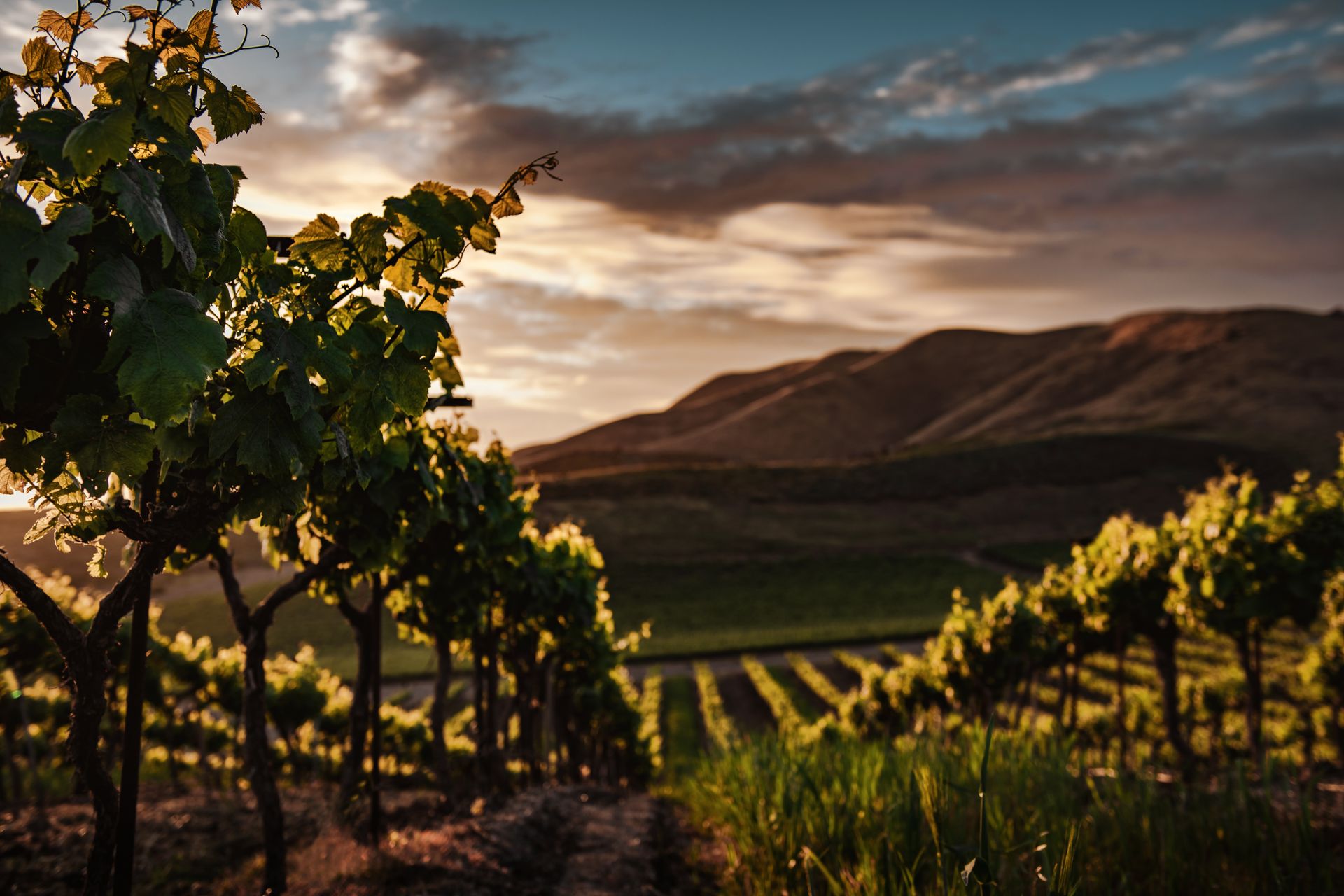
Tarija · Cinti · Santa Cruz — Bolivia
Between 1,750 and 3,000 metres, in three Bolivian valleys almost no one has tasted yet. We design the journey — the cellars, the tables, and the roads in between.
Why Bolivia

Bolivia has been making wine since the 1560s, when Jesuit missions planted the first cuttings in the deep ravines of Cinti. Four and a half centuries later, almost none of it has left the country.
What stayed behind is unusually good — and unusually strange. Vines trained up molle and pepper trees. Grape varieties that exist nowhere else. Ultraviolet light so intense the skins grow thick to survive it, and nights so cold the acidity never burns off.
We are a small team of Bolivian guides, sommeliers and drivers who spent years mapping the roads between these valleys. We do not run coaches. We build a route around what you actually want to drink, eat and see — and we open the doors that are not open to the public.
 Ana Lucía VargasFounder & head sommelier
Three valleys
 1,750 – 2,100 mTarijaValle de la ConcepciónThe heart of Bolivian wine. Wide, warm, planted to Tannat, Malbec and Muscat of Alexandria — and the birthplace of singani.Explore the valley
 2,100 – 3,000 mCintiCamargo, ChuquisacaA red ravine where 200-year-old vines still climb molle trees. The oldest, strangest, most photographed viticulture in South America.Explore the valley
 1,600 – 1,900 mSamaipataSanta CruzCloud-forest slopes above the lowlands, where a new generation is planting whites and making wine at the edge of the Amazon.Explore the valley
Signature journeys
 4 days · TarijaThe Altitude RouteFour days through Valle de la Concepción: six cellars, a barrel tasting under the vines, a long lunch that runs into the evening, and the singani distillery that started it all.
 1 day · TarijaSingani, the ghost spiritBolivia’s national spirit, distilled only above 1,600 m. Copper stills, Muscat of Alexandria, and a cocktail hour at the end.
 3 days · Feb – AprHarvest handsPick at dawn with the growers, sort on the belt, then taste last year’s vintage from the barrel that has been waiting for you.
 7 days · Full routeCinti & the old vinesThe long one. Tarija to Camargo by road, two nights in the ravine, and the pre-phylloxera vines that still climb molle trees.
Grape varieties grown in the Bolivian valleys: Tannat, Malbec, Moscatel de Alejandría, Vischoqueña, Cabernet Sauvignon, Negra Criolla, Syrah, Torrontés, Petit Verdot and Riesling.

The altitude argument
Every serious question about Bolivian wine has the same answer, and it is measured in metres.
From the road
I have been drinking wine professionally for twenty years and I could not have named a single Bolivian producer. Four days later I shipped a case home.
They got us into a cellar in Cinti that has no sign, no website and no tasting room. The owner poured from the barrel with a glass pipette. Unrepeatable.
What I did not expect was the food. Every lunch was a proper Bolivian table, and every wine on it made more sense because of what was next to it.
Start here
Private departures all year, small groups from February to April. Most journeys are confirmed within 48 hours.


