
The valleys
Bolivian wine is not one region. It is three, and they have almost nothing in common except how far they are from the sea and how close they are to the sun.
Side by side
| The valley | Tarija | Cinti | Santa Cruz |
|---|---|---|---|
| Altitude | 1,750 – 2,100 m | 2,100 – 3,000 m | 1,600 – 1,900 m |
| Rainfall | 600 mm | 400 mm | 900 mm |
| Signature grape | Tannat | Vischoqueña | Riesling |
| Soil | Sandy alluvial | Red clay and stone | Volcanic loam |
| Harvest | Feb – Mar | Mar – Apr | Jan – Feb |
| First planted | 1600s | 1560s | 1990s |
Figures are the working averages we plan routes with — every producer will give you a slightly different number, and most of them will be right.

Valle de la Concepción
1,750 – 2,100 m above sea level
Eight out of every ten bottles made in Bolivia come from this valley, and almost all of them are drunk within a day’s drive of it.
Valle de la Concepción sits in a broad, warm bowl an hour south of the city of Tarija. The Guadalquivir river runs through it, the soil is sandy and forgiving, and the light is merciless — which is exactly what Tannat wants. Bolivia’s best reds are built here: dark, high-toned, tannic in a way that feels structural rather than aggressive.
The valley is also where the wine industry professionalised. Stainless steel arrived in the eighties, French oak in the nineties, and a generation of winemakers trained in Mendoza and Bordeaux came home in the 2000s. Today it holds everything from a producer bottling three million litres to a family making four thousand bottles in a converted garage — often on the same road.
It is the easiest valley to visit and the hardest to leave, mostly because of lunch. Tarijeño cooking is its own tradition: saice, ranga, chancho a la cruz cooked over vine cuttings, and a tomato salad that has no business being that good.
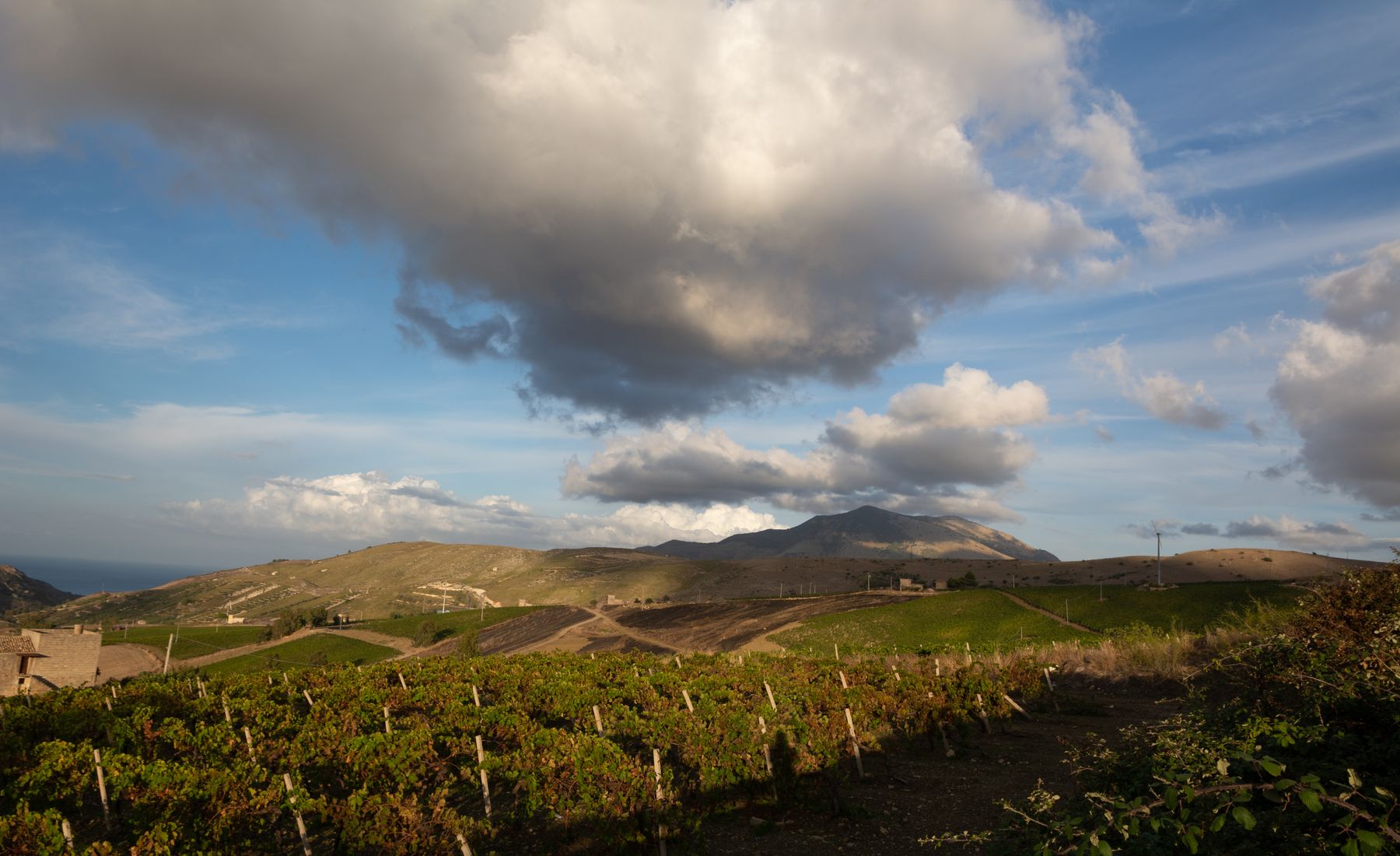
Camargo, Chuquisaca
2,100 – 3,000 m above sea level
A ravine so narrow the road and the river share it, where vines have been climbing living trees since the 1560s.
Cinti is the oldest continuously worked viticulture in South America and it does not look like viticulture at all. There are no trellises. Vines are planted at the foot of molle and chañar trees and allowed to climb them — a system called “arboledas” that predates every wire in the New World, and that no one has ever managed to mechanise.
Phylloxera never reached this altitude, so a large share of the vines are ungrafted and on their own roots. Some are believed to be more than two hundred years old. They yield almost nothing — a few kilos per tree — and what they yield is unlike anything else: Vischoqueña, a red grape recorded nowhere outside these ravines, and Negra Criolla, the working grape of the colonial silver economy.
For two centuries most of what Cinti grew was distilled into singani and sent to the mines of Potosí. Only in the last fifteen years has anyone bottled it as wine and asked the world to take it seriously. Getting there is four hours of switchbacks from Tarija. It is the single most extraordinary thing on any route we run.

Samaipata & the Vallegrande road
1,600 – 1,900 m above sea level
The newest of the three, and the only one where the vineyard has a cloud forest on one side and the Amazon basin on the other.
Two hours up from the lowland city of Santa Cruz, the road climbs into Samaipata and the air changes. It rains here — nearly twice what falls on Tarija — and the mornings come in wrapped in mist. That is a problem for red grapes and a gift for white ones.
The plantings are young, most of them post-1995, and the ambition is unusually specific: aromatic whites at altitude. Riesling, Gewürztraminer, Sauvignon Blanc and a small amount of Pinot Noir, made by people who are openly experimenting and happy to tell you what failed last year.
It is the valley that changes fastest, and the one where a visit two years apart will not give you the same wines twice. We build it in when someone wants to see where Bolivian wine is going rather than where it has been.
The route
Tarija to Camargo is roughly four hours and climbs a kilometre. The road follows the river, crosses the ravine floor eleven times, and passes through villages where the only commercial activity is a woman selling peaches out of a bucket.
We plan it as part of the itinerary, not as transfer time: a stop at the old singani still at the halfway point, lunch somewhere with four tables, and enough daylight left at the other end to walk into a vineyard before dinner.

Most first journeys take Tarija alone, and most second journeys go straight to Cinti. Tell us which one you are on.